AI CEO Autopilot: set a goal, your AI workforce executes
An AI CEO doesn't wait for a task list. You set the goal; the CEO Pie is designed to propose the strategy, staff the work, assign it by role, and keep the workforce moving on its own heartbeat (enableable — switched on during setup). The difference with PAI is the leash, which is live today — every step is gated and signed, so autonomy doesn't mean out of control.
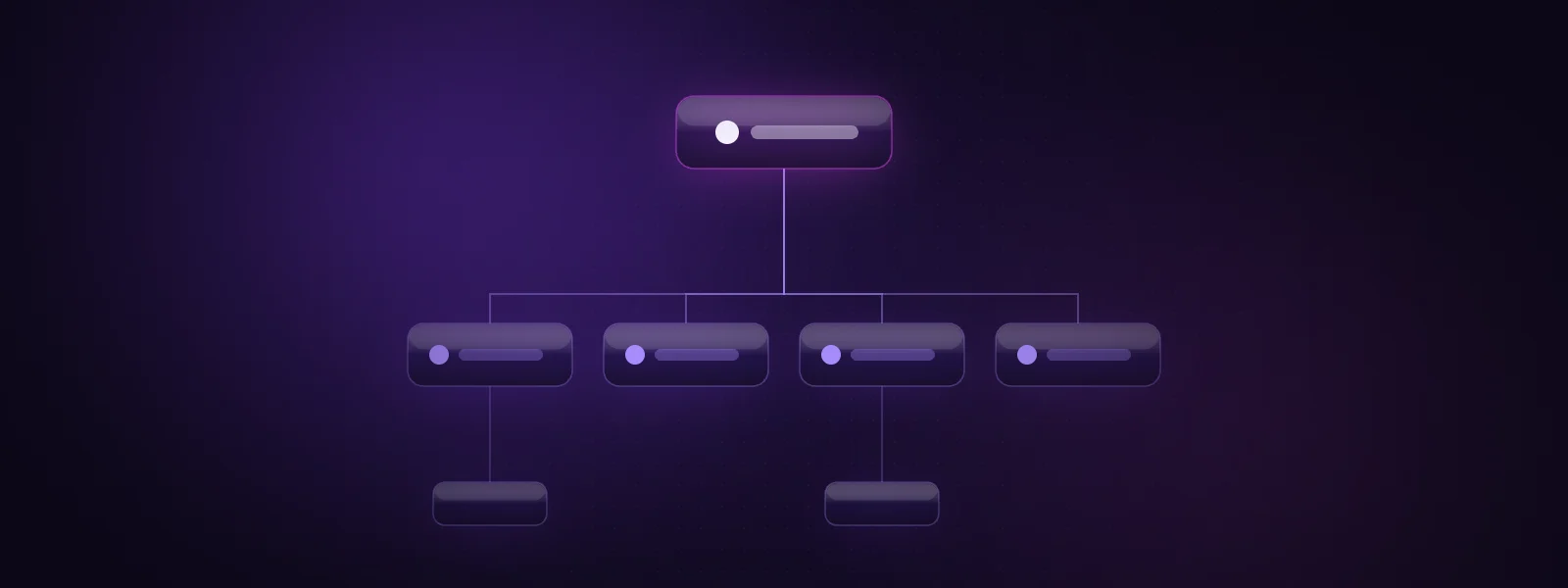
Set the goal — the leash stays on
- Set one goalGive the CEO Pie an outcome in plain language; every task traces back to it.
- Runs on a heartbeatBuilt so Pies wake on a scheduled heartbeat, do their work, report in writing, then sleep.
- Gated before it runsStrategy, staffing, and every heartbeat arrive as one-tap approval cards before anything runs.
- Hard-stop budgetEvery Pie runs under a hard-stop budget at the gateway — designed to stop spend at the cap you set.
- Signed audit chainEvery action that runs is signed into a tamper-evident chain you can verify offline.
- Kill switchOne hard-stop halts the whole instance; if the gate says no, no run starts.
From goal to staffed company, in one loop
Most “autonomous AI” tools still hand you a task list. An AI CEO inverts that: you describe an outcome — “₹1 crore MRR”, “launch the product line by Q3” — and the CEO Pie handles the decomposition, staffing, and day-to-day chasing. You manage goals, not tickets.
A real org chart, not a swarm
With a strategy approved, the CEO Pie assigns work to existing Pies by role — Sales, Ops, Support, Research — and serving a new Pie is itself an approval. Structure, not a swarm: every Pie has one manager, one title, and one job description.
How PAI runs it — with the leash on
The delegation loop is enableable — it ships inside the stack and switches on during setup, hosted by the open-source workforce layer. What is live and tested today is the Governance Plane: default-deny approvals, autonomy floors, hard-stop budgets, the signed audit chain, and the kill switch.
An AI CEO that staffs and spends without a signed record is a liability with an org chart. On a leash, it's a workforce.
Keep reading
The autopilot is one part of the workforce. These go deeper on the guardrails around it.
Hard-stop AI agent budgets
A live gateway cap, plus token salaries designed to warn at 80% and auto-pause at 100% — built to stop the autopilot's spend at your cap.
Managed AI agents that don't get stuck
The Supervisor: stall detection, nudge or cancel, run contracts, and a Monitor on your phone.
Run multiple businesses with one AI workforce
A CEO Pie per company, each isolated by the database — one phone, the whole portfolio.
AI CEO Autopilot — FAQ
An AI CEO is a manager agent that turns a goal you set into a plan, staffs it with other agents, assigns the work, and keeps it moving — instead of you writing and tracking every task. In PAI it's the CEO Pie at the root of your org chart, reporting to a board of one: you. It proposes; you approve the things that matter.
No. Strategy arrives as an approval card, hiring a new Pie is an approval, and payments are propose-only by platform rule — a human always taps pay. The CEO Pie can plan and delegate freely, but anything that leaves the building or costs real money waits for your one-tap yes. Silence means no.
The delegation loop itself comes from the open-source workforce layer (our PaperPie Workforce distribution of Paperclip). What we add is the leash: every heartbeat is gated before it runs, every assignment and re-parent is signed into a tamper-evident chain, autonomy floors hold no matter the dial, and a kill switch stops the whole instance. The capability you can lease anywhere; the governance you can only own.
On each heartbeat the CEO Pie runs a stall checklist — unblocking what it can and escalating what it can't to you as a decision card. It can't silently fail or loop forever: comment-required backstops mean no silent completions, and our Supervisor watches the run itself. See managed AI agents for the drift-control detail.
The CEO-delegation loop is enableable: it ships inside the stack and is switched on during setup, because the workforce layer hosts it and our governance plane wraps it. The governance pieces around it — approvals, autonomy floors, the signed audit chain, the kill switch — are live and tested today.
See what an AI workforce makes possible
Explore the full capability matrix — and the honest status of each one — then pick the plan that fits.